
VOL. 07 | ISSUE 2 | June 2024
Safford’s Crush and Convey Comeback
In this age of new gadgets, apps and other high-tech solutions for virtually everything troublesome or complex, some challenges still are best handled through good ol’ human determination and teamwork.
Such has been the case for Safford operations as employees from across the site and the company have pitched in to vanquish a months-long plague of ore stacking disruptions with demonstratable success.
“People throughout the Freeport organization have worked together with us for months on end to help us return to – and even improve upon – our runtime objectives,” said Vicki Seppala, General Manager-Safford. “It’s been a great exercise in getting back to the basics and applying the equipment reliability standards developed in the last few years.”
Those standards, put together by Toby Dunn, General Manager Maintenance-FM Americas, and his team, helped Safford define some fundamental musts around operation, maintenance, collaboration and continuous improvement. All have been vital to stopping the bleed and helping recover from setbacks incurred by a rapid succession of equipment outages.
The Crux of the Problem
In September 2022, numerous upgrades to the crushing and conveyance circuit were completed as part of Safford’s 120K (120,000 stacked tons-per-day) near-term expansion project. Unfortunately, the upgrades came with some lingering pain points in the form of equipment failures and unplanned shutdowns. The disruptions negatively impacted daily ore stacking on the leach pad, a critical link in Safford’s copper production chain.
When the equipment failures persisted, Safford worked with corporate leaders to assemble an impact team of employees from across the company – engineers, planners, operators and subject matter experts. For several months, they worked with Crush and Convey, vendors and others across Safford and Freeport to fix the problems.
“Resolving our ongoing crusher issues was among the company’s top three business-critical concerns, so as part of a larger, companywide initiative, it became a priority mission,” said Rick Sanchez, Manager-Crush and Convey at Safford. “The impact team had three phases, each with a different mix of people and a specific objective – first, fix the crushing plant and learn how to run it more efficiently; second, sustain best operational practices; and finally, integrate a new way of working into all aspects of Crush and Convey’s daily operations.”
The team determined that an improved operational and maintenance model was key to curtailing equipment failures and achieving ideal throughput and stacking rates. Impact team members frequently went into the field with frontline crews and sought their input toward defining and implementing the new model.
Working with Other Divisions
While ideas around technology usage yielded incremental crusher performance improvements, the biggest gains in the rebound effort have come through the employee collaboration throughout all Crush and Convey functions.
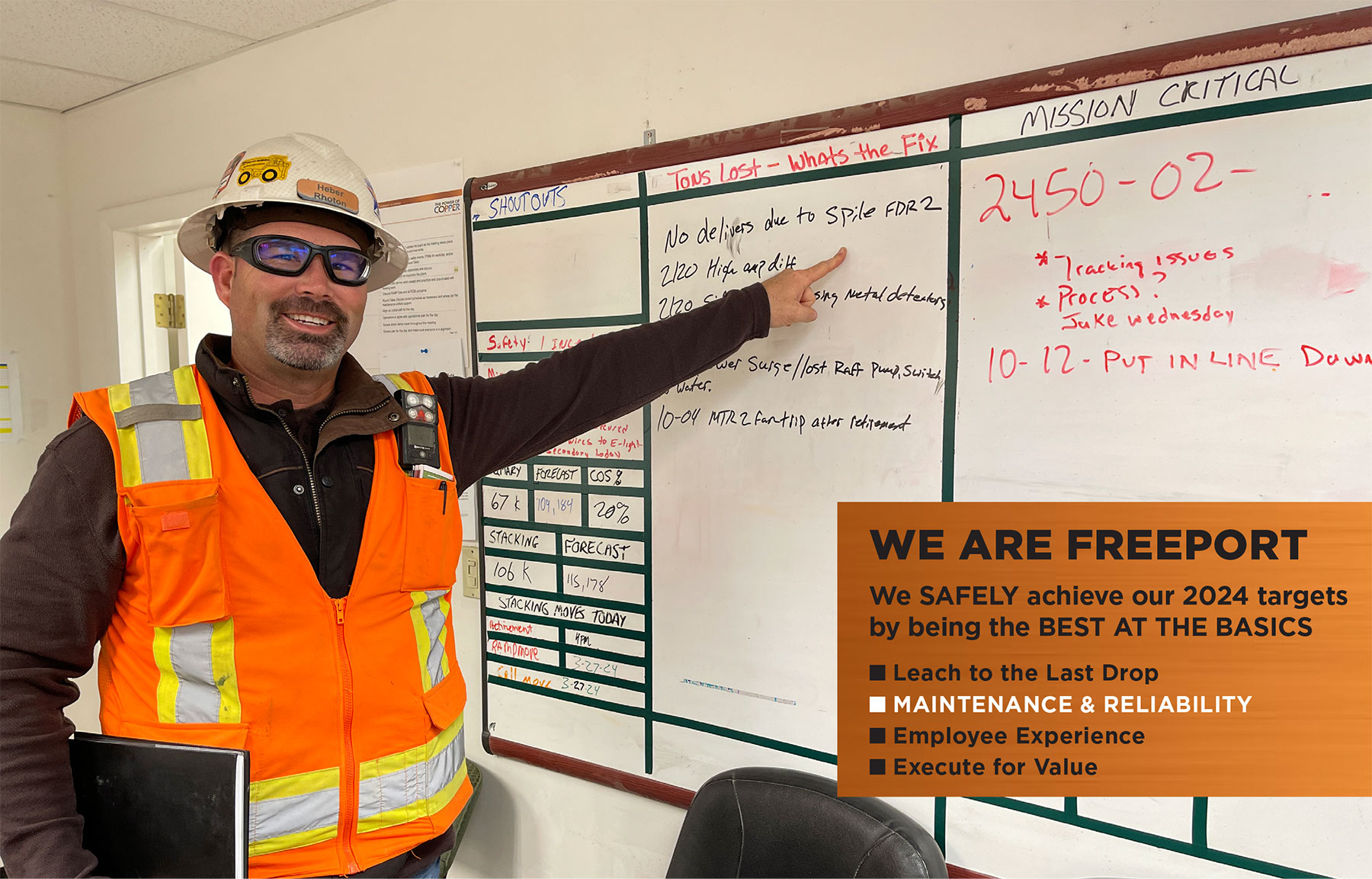
“One of our more effective practices is a morning huddle board,” said Heber Rhoton, Senior Supervisor-Crush and Convey at Safford. “It’s a daily realignment meeting Crush and Convey uses to prioritize the things within our control to focus on for the day. It helps with accountability, keeps us focused on safety and tonnage, and it challenges the teams to prevent repeats of any undesired events.”
To help further reduce the impact of crusher outages, Crush and Convey has reinforced its alliance with other teams crucial to production.
“Improved communication and collaboration with both Mine Ops and Hydromet allow us to maximize crusher deliveries and days under leach,” Sanchez said.
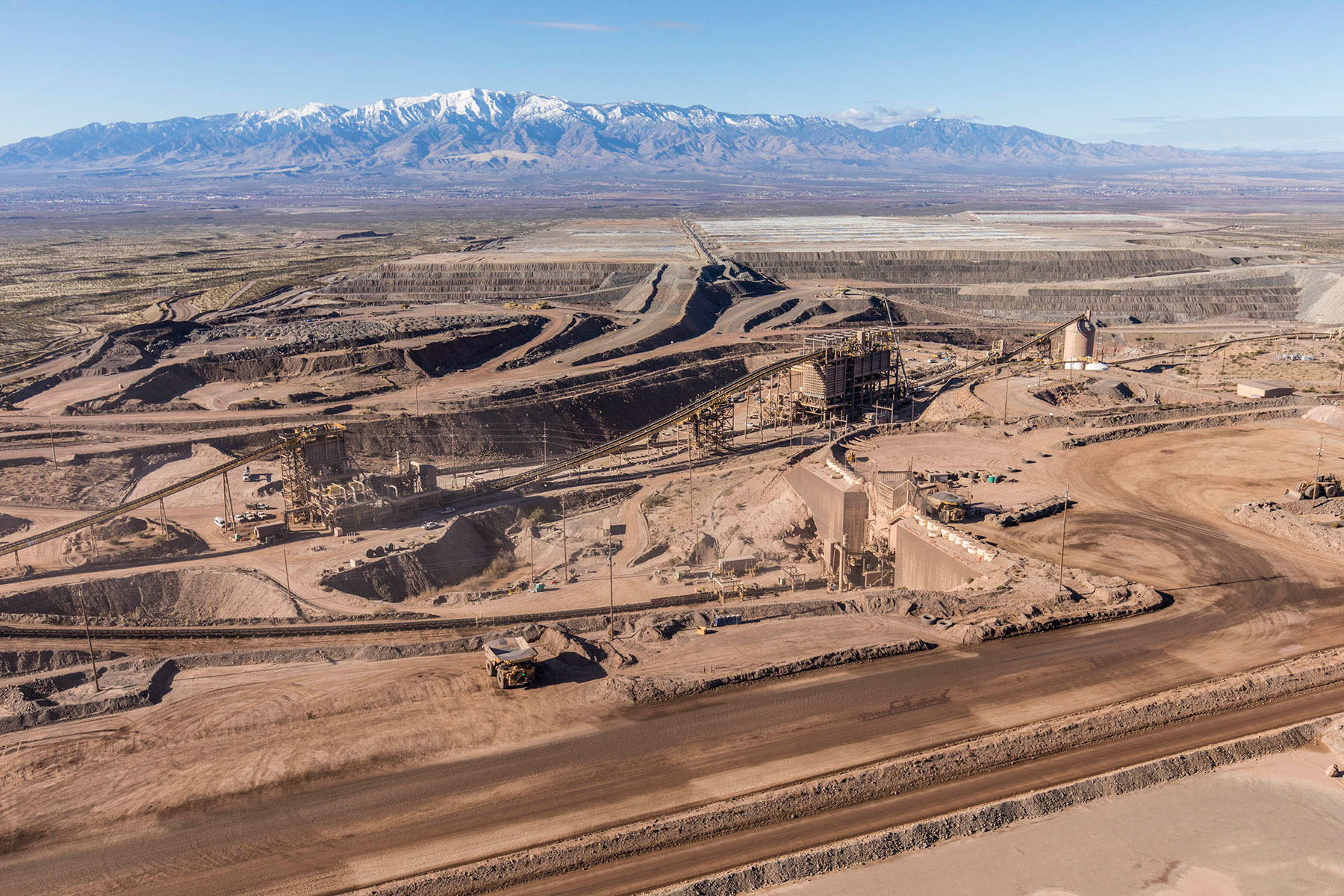
The Mine Operations and Crush and Convey teams now stay intertwined beyond the hand-off of freshly mined ore.
“Mine Operations and Crush Convey leadership are much more engaged with each other at all levels,” said Bret Hunt, Mine Manager-Safford. “Shift leaders are in constant communication with each other to ensure a steady, efficient flow of material from the shovel face to the crusher.”
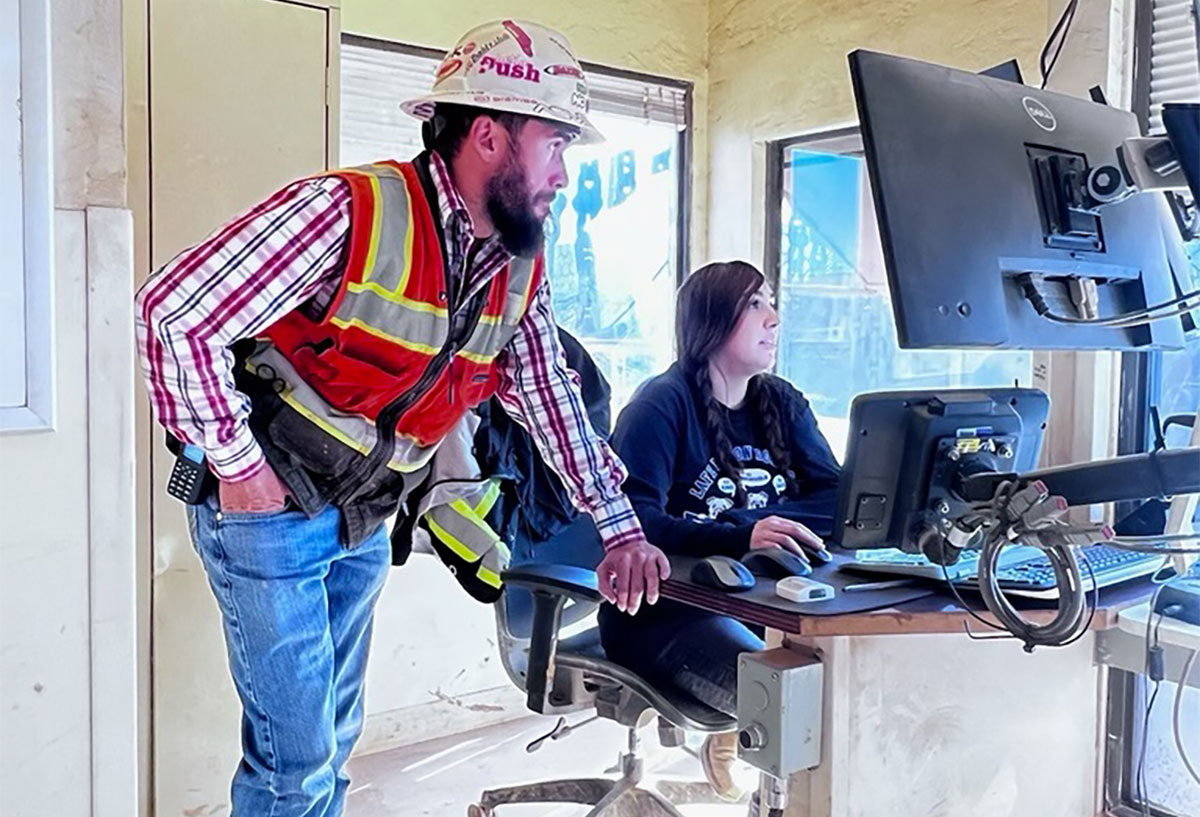
Working alongside the crusher control room operator, an “ore czar” from Mine Operations closely watches crusher performance and coordinates with a supervisor at the pit to regulate ore delivery via haul truck. This helps ensure a sufficient supply of crushed ore is available for feeding the circuit during any unexpected crusher outage.
“The ore czar has been a key contributor to this increased engagement, ensuring constant communication is happening between both areas so the best decisions can be made to keep ore flowing,” Hunt said. “In addition, improved strategic communications between area superintendents has been an important part of the success we’ve had to execute the ore delivery plan.”
To help reduce delays during maintenance outages, Safford’s Global Supply Chain/Warehouse team participates in reviewing and verifying a bill of materials (BOM) – the list of critical components and parts that should be in stock for any installation or maintenance work.
“In the past, we often found mismatched, missing or obsolete items, and that impacted the efficiency of our installs or repairs,” said Tony Battista, Superintendent-Crush and Convey Operations at Safford. “For the BOM walks, we have an SME, a planner and a warehouse person go through the warehouse together with a checklist. They focus on big-ticket items, confirm stock is current and flag any old stock items that we need to get rid of.”
Light at the End of the Tunnel
After a long struggle, the investment of time, energy and ideas by scores of people from across the organization began to pay off.
Since then, crushing and stacking have continued to improve. Primary crushing physical availability from February 2022 to May 2023 was about 83 percent, but between May 2023 and March 2024, it had risen to 90 percent. Fine crushing availability during those same periods also showed improvement, rising to 92 percent from 82 percent. Furthermore, the Crush and Convey team achieved a new daily stacking record of more than 144,000 tons in March of this year.
“By the latter part of 2023, especially in the fourth quarter, we started seeing major improvements in crushing and stacking performance,” Sanchez said. “Things got even better in the first quarter of 2024, when we had some of the best stacking results in Safford history.”