
VOL. 09 | ISSUE 2 | Summer 2026
From Copper to
Communities:
Freeport’s Role in Building the
American West
Freeport’s mines built more than a company.
They built communities, economies and families.
The United States is marking its 250th anniversary this year and – for much of that time – the mines Freeport operates have helped drive the nation’s westward expansion. The rich copper discoveries of the late 1800s created boom towns that continue to thrive today, even in places where mining ended decades ago.
Some of the earliest towns in Arizona and New Mexico were built around what became Freeport mines. The Chino mine near Silver City, N.M., traces its origins to copper mining that began about 1800 while the region was still part of Mexico.
In Arizona, boom towns emerged in the mid to late 1800s around mines now part of Freeport. Those include Morenci, Bagdad, Bisbee, Jerome and Ajo. Clarkdale and Douglas were both established as smelter sites to process copper for those mines.
In the company-owned towns of Morenci and Bagdad, Freeport provides almost all public services including community recreation centers and medical clinics in addition to company housing. There, and in other rural communities, Freeport mines generate revenue that sustains local businesses and taxes that pay for schools, roads and public safety.
“In most, if not all Freeport communities in the U.S., mining has always been much more than an industrial presence. It really was the long-term economic anchor and primary contributor to community identity and stability and cohesion.”
TRACY BAME | SENIOR DIRECTOR, SOCIAL PERFORMANCE, AND PRESIDENT OF THE FREEPORT-McMoRan FOUNDATION

VOL. 09 | ISSUE 2 | Summer 2026
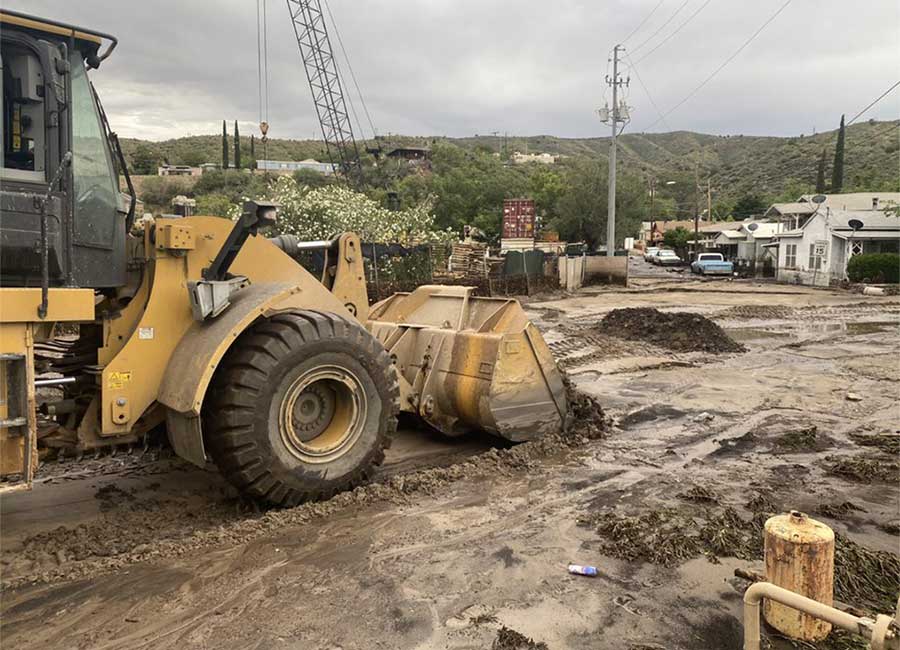
“Copper mining is often the primary driver of local economic development where there are few if any alternatives,” Bame said. “Our operations enabled the formation of communities and generations of families who not only worked at the mine but built their lives around it. Those deep-rooted connections between the operation and the surrounding community are a point of pride and something we continue to foster to this day.”
In 2024, Freeport’s mining operations and related activities produced more than $4.6 billion in economic benefits in Arizona, $468 million in New Mexico and nearly $612 million in Colorado. Beyond the mines, Freeport’s copper processing operation in El Paso generated about $969 million in economic benefits for Texas, and its molybdenum processing facility in Iowa contributed about $66 million in economic benefits in that state.
Even where active mining has ceased, the historic mining culture continues to sustain those communities.
Both Bisbee and Jerome were, in their day, among the biggest towns in Arizona because of the copper mines that now are part of Freeport’s discontinued operations. Mining ended in Jerome in the 1950s and in Bisbee in the 1970s. Both communities have since reinvented themselves as popular tourist and arts destinations where their mining heritage is showcased and remains among their most popular attractions.
Beyond driving local economies, the stable and good-paying jobs that Freeport mines provided for more than 150 years have allowed families with deep roots in mining to maintain their lifestyle, said Benny Corbell, Mine Manager-Bagdad, a
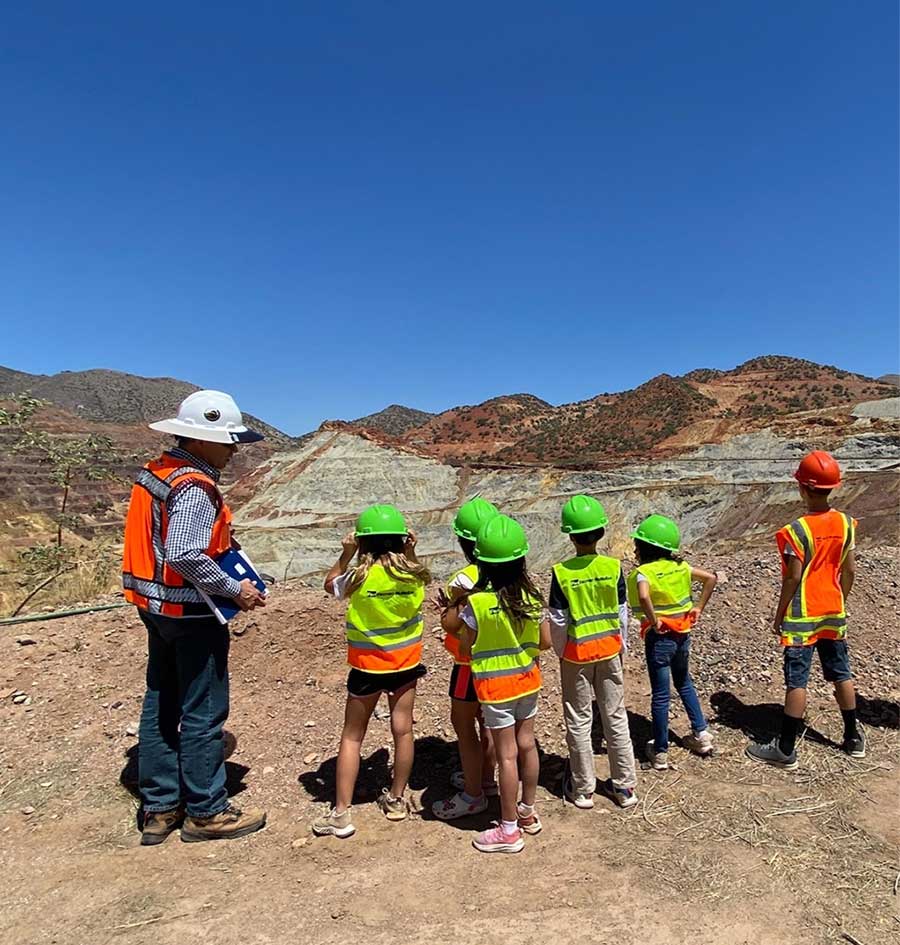
fourth-generation miner who was born at the medical center in Morenci.
Few industries are stable enough to provide a wide range of careers across multiple generations, especially in rural areas where good jobs can be scarce, Corbell said. Copper mining is the exception that has allowed many Freeport families to preserve their lifestyle and heritage for generations. For example, Bagdad mining began in 1882, and there are still enough proven reserves to sustain it for another 100 years.
“I can go to our people and say this is a great job for you, your kids and your grandkids,” Corbell said. “Being a copper miner can be more than just your career. That’s important to us, that long-term goal past yourself that you can develop something for generations.”