
VOL. 09 | ISSUE 2 | Summer 2026
A Mining
Legacy…
Freeport’s North American Mining and
Processing Sites Have Long Played a
Foundational Role in America’s Growth
Each site will continue to support the country’s future by supplying the materials that make large-scale development, security and modernization possible.
Bagdad
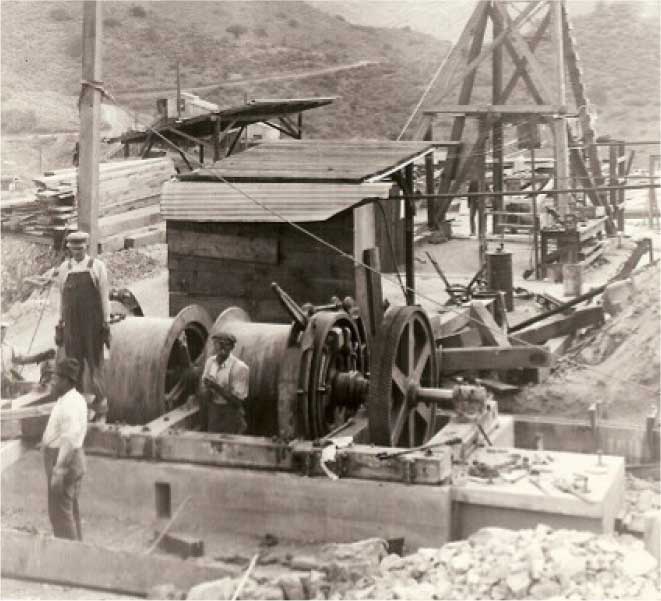
Location: Bagdad, Arizona
Origins: Prospectors W.J. Pace and J.M. Murphy staked the first claims for gold, silver and lead along Copper Creek in 1882 and sold them the following year for $200. The underground mine changed ownership several times with limited commercial success until 1945 when conversion to an open pit began.
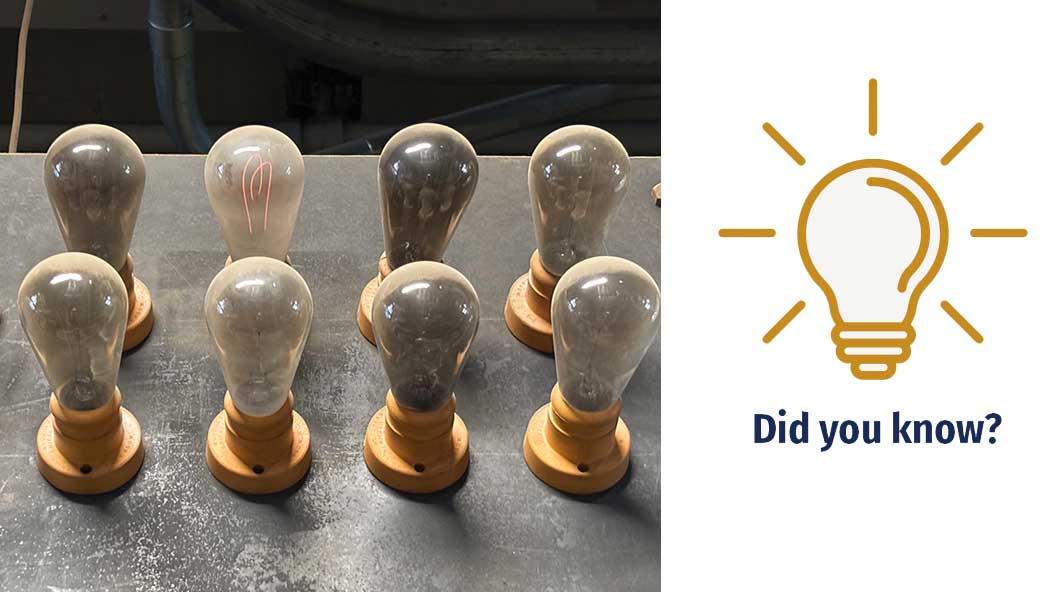
Did you know? While there are various theories on the origins of the name “Bagdad,” the most popular involves a father and son team working an early claim. As the son filled one bag with ore he would call up to his father to send down “another bag, dad.”
Employees: 1,123
Looking ahead: “As the nation looks ahead to its next 250 years, Bagdad is preparing for its own next chapter. With autonomous haulage transforming our operation and a potential expansion that could double Bagdad’s size, we are focused on safely producing the copper America will need for the future.” – Jeff Monteith, General Manager-Bagdad
Chino
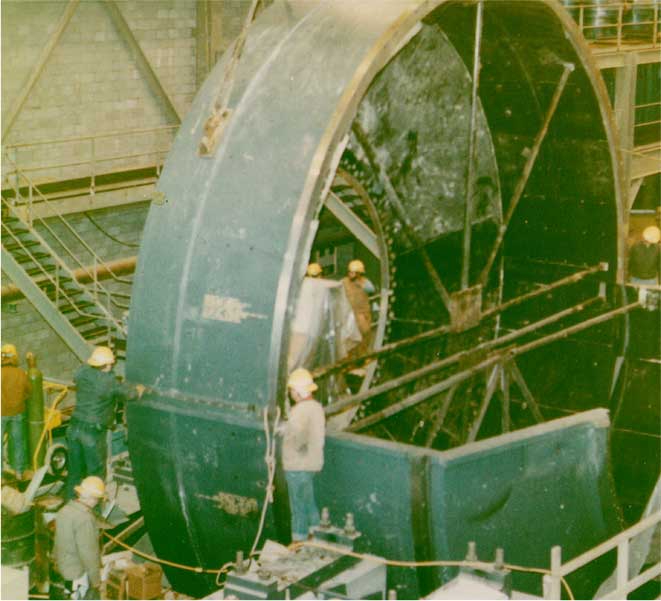
Location: Grant County, New Mexico
Origins: Around 1800, local Apaches showed Spanish Army Lt. Colonel José Manuel Carrasco an area where they had historically collected copper. Carrasco sold his ownership of the site in 1804 to a new buyer who named the site Santa Rita del Cobre (Saint Rita of the Copper) and used convict labor to mine there.
Ongoing conflict in the region made mining at Santa Rita untenable throughout much of the 1800s. The town largely was abandoned until the 1870s. By then, the territory had become part of the United States, which stationed Army troops in the region during ongoing conflicts with the Native American tribes before peace agreements were reached.
In 1910, the Chino Copper Co. began open-pit mining. Now dubbed the Chino mine, the property changed ownership multiple times before being acquired by Phelps Dodge in 1986.
Did you know? Chino is the oldest property in Freeport’s portfolio and one of the oldest copper mines in the U.S.
Employees: 890
Looking ahead: “At Chino, we’re going to push recovery limits, leaching every drop with the Perfect Stockpile and focusing on planned maintenance to max the mill.” – Randy Ellison, General Manager-New Mexico Operations
Climax
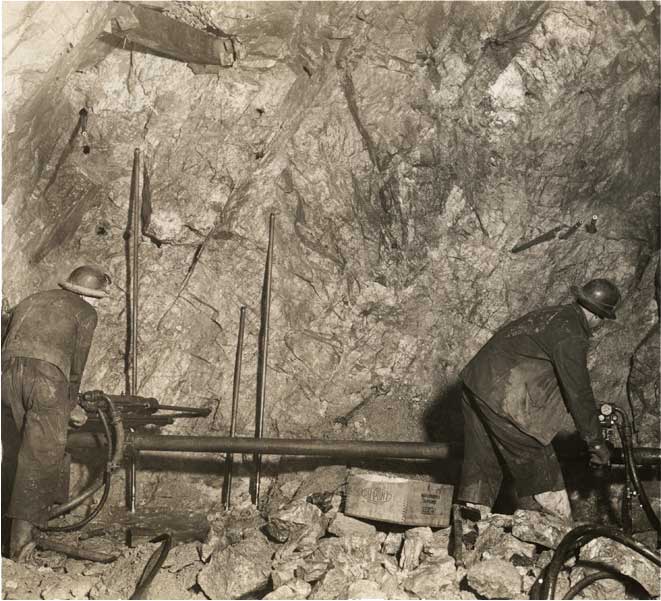
Location: 13 miles northeast of Leadville, Colorado
Origins: Charles Senter, a lone prospector seeking gold in 1879, discovered an unusual mineral formation on Bartlett Mountain near the booming silver fields of Leadville, Colorado. He chipped off a few samples later identified as the rare but not particularly valuable metal molybdenum.
With no significant commercial value, there was little activity at Climax until after 1910 when molybdenum was found to dramatically improve steel strength. The Climax Molybdenum Co. was founded in 1916. Mining began in 1918 when the need for molybdenum surged to meet demand from World War I, but ceased 10 months later when the war ended. Mining resumed in 1920 and demand for molybdenum again surged during World War II when Climax was designated a strategic defense operation. Climax remains the largest molybdenum mine in the world.
Did you know? Climax is named after the Climax railroad station at the summit of Fremont Pass, a reference to the mining term meaning top of the grade.
Employees: 528
Looking ahead: “At Climax, we’re looking well into the future. Between the potential for by-product tungsten production and opportunities to take Climax underground, this operation could be producing safely and responsibly well into the 2080s.” – John Wilmot, General Manager-Colorado Operations
El Paso
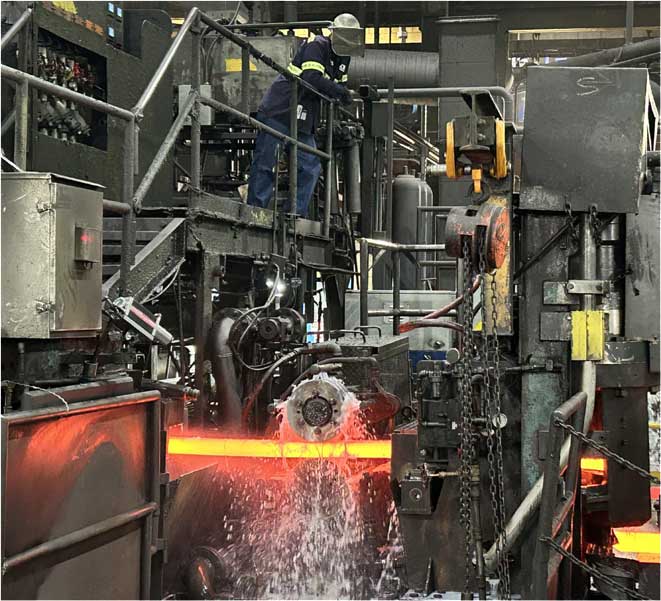
Location: El Paso, Texas
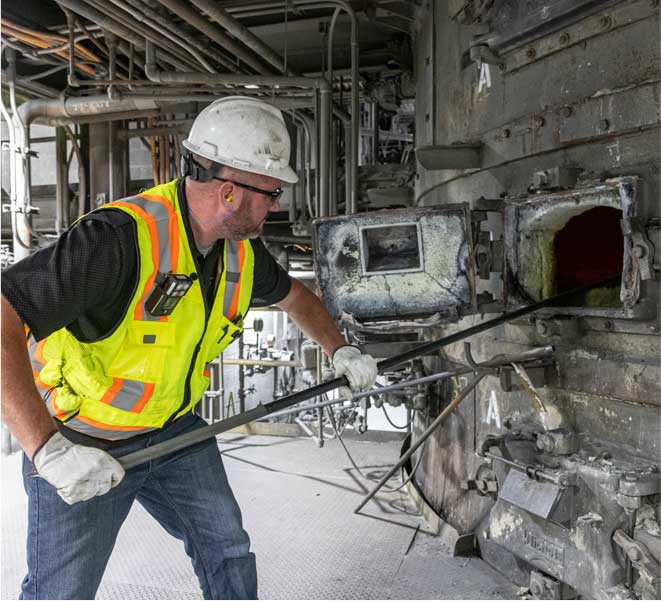
Origins: Nichols Copper opened the El Paso copper refinery in 1930, with Phelps Dodge purchasing the site shortly thereafter. The refinery processed copper from booming mines in Arizona and New Mexico. With increasing demand for electrical wire in the lead up to World War II, the El Paso refinery underwent two major expansions to add more refining capacity to support early rod production. The rod mill was added in the 1950s as a wire bar casting operation. The site began producing continuous-cast copper rod – Freeport’s finished product to customers – in the 1980s, which continues today.
Employees: 478
Looking ahead: “At El Paso operations, the permanent cathode technology project is approaching its completion. The infusion of new technologies – to include robots – is generating excitement through the site. The rod mill is reaping the rewards of a team named the Reduction of Unscheduled Downtime Team. This cross-discipline team has done an outstanding job focusing on the root causes of downtime and creating plans and training to address the concerns. Downtime has decreased and output has increased.” – Roger Laija, General Manager-Rod and Refining
Fort Madison
Location: Fort Madison, Iowa
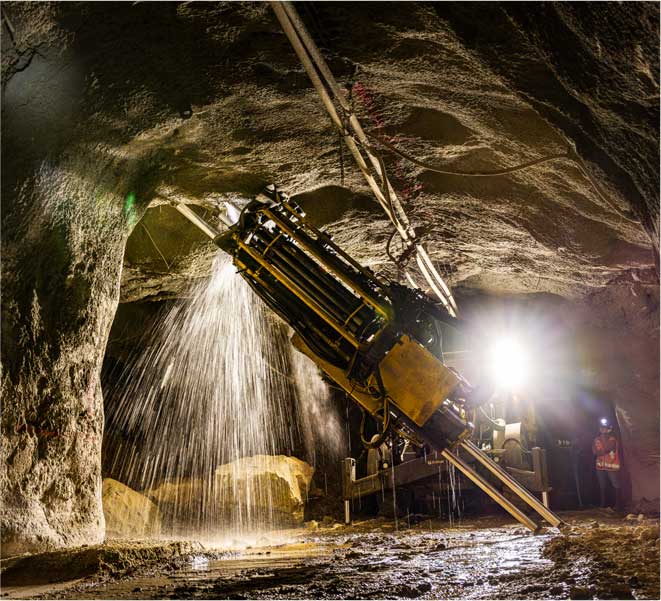
Origins: The Fort Madison, Iowa, molybdenum facility began operations in 1976 when the Climax Molybdenum Co. expanded its processing capabilities to capitalize on the growing demand for the steel-strengthening metal. The location was selected due to its proximity to major transportation routes – including rail lines and the Mississippi River – and its strategic location between the mines in Colorado and the eastern trading markets. The plant was expanded in 1995 and has gone through other upgrades to improve efficiency and meet changing environmental regulations.
Did you know? Fort Madison is the largest molybdenum processing facility of its type in the world.
Employees: 174
Looking ahead: “At Fort Madison, disciplined execution of our strategic Big 5 initiatives drives everything we do. We win by growing our people, executing safely and reliably, stabilizing our roasting assets, and expanding chemical production to grow capacity, improve performance and deliver value for the enterprise every day.” – Dravin Mahes, General Manager-Fort Madison
Henderson
Location: 42 miles west of Denver, Colorado
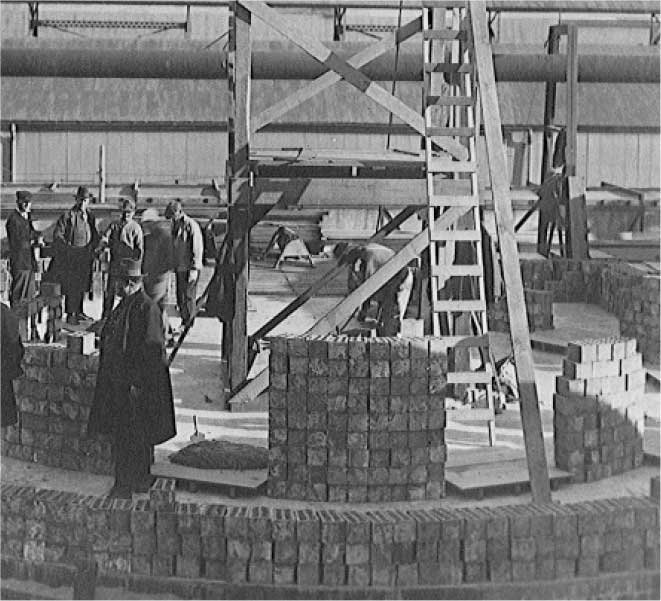
Origins: By the time the Henderson molybdenum deposits were discovered in 1964, the area in Colorado already was the world hub for production of the metal. The American Metal Climax Co. was doing exploratory drilling and came across the large molybdenum deposit. Underground mining at Henderson began in 1976.
Did you know? The Henderson mill site is located 15 miles west of the mine. The mine and the mill are connected by the world’s largest conveyor of its kind: a 10-mile conveyor tunnel under the Continental Divide and an additional 5-mile surface conveyor.
Employees: 417
Looking ahead: “As we look ahead to celebrating our 50th anniversary this year, the responsibility to produce molybdenum for a better future continues to guide our work. At Henderson operations, we are proud stewards of one of the world’s premier underground resources and committed partners in building a stronger, more sustainable and resilient foundation for America’s next chapter.” – Eric Wiese, General Manager-Henderson
Miami
Location: Miami, Arizona
Origins: Extensive mining – primarily for silver but also copper – had taken place in the Globe area since the 1870s, but it was not until 1906 that the Miami Copper Co. was created to begin mining in the new area that would become the Miami mine. In 1915, the International Smelting Co. built the large-scale Miami smelter which remains in operation today, having gone through multiple upgrades to improve environmental controls, increase productivity and support worker safety. The mine and smelter changed ownership multiple times before being acquired by Freeport, which ceased open-pit mining there in 2015.
Did you know? The Miami smelter is one of only two copper smelters still operating in the United States.
Employees: 1,050 (including the smelter, rod mill and other operations).
Looking ahead: “There are unique synergies having Miami centrally located to the concentrate suppliers and acid users, and the Miami Smelter has proven itself as a credible and reliable asset to support Freeport’s broader business needs. As Freeport seeks to expand its concentrate supply and the demand for costly acid continues to rise, we are evaluating our own expansion opportunities to remain a key asset to the organization. The future is bright at Miami.” – Michael Cross, General Manager-Miami
Morenci
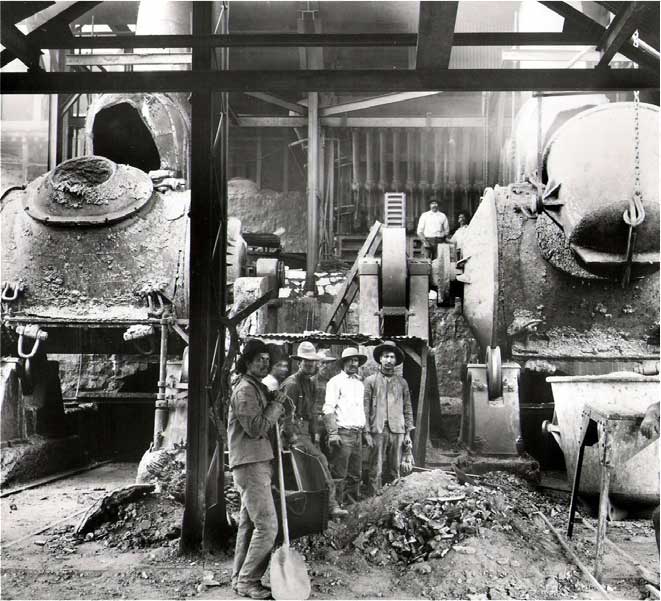
Location: Morenci, Arizona
Origins: In 1870, an Army expedition set up camp along a creek in the mountains just inside Arizona territory near the New Mexico border. As the expedition fanned out, scouts Joe Yankie and brothers Jim and Robert Metcalf noticed flecks of gold in the creek and copper deposits in the green-colored rocks around them.
The three scouts filed claims that would become the foundation of the Morenci mining district, one of the largest copper deposits in the world.
Two main mining companies emerged.
Yankie and partners from Silver City staked numerous claims, which they eventually sold to a group of Michigan investors who formed the Detroit Copper Mining Company of Arizona in 1872.
The Detroit company struggled until it was reorganized in 1880 by one of its founders, William Church. Seeking new investors, Church approached William Dodge, senior partner in the New York mercantile firm Phelps Dodge and Co., which had no history in mining. Phelps Dodge invested in Detroit mining in 1881, and in 1897 acquired complete control of the company.
The Metcalfs sold their mining claims to a New Mexico merchant named Henry Lesinsky and his partners beginning in 1872. In 1882, the Lesinsky partners sold to new investors who formed the Arizona Copper Co., which competed with the
Detroit company until 1921 when Phelps Dodge acquired it and gained complete control of the Morenci district. Freeport acquired Phelps Dodge in 2007.
Did you know? When prospectors explored the area around Morenci in the early 1870s, they found much of the water to be so laden with copper that it was almost undrinkable.
Employees: 4,003
Looking ahead: “Morenci has billions of pounds of reserves and billions of pounds of resources, so it’s all about how we develop them. Morenci has a long and bright future, but the work is how we get there. Innovating, being more efficient, and working differently than we have in the past will be key. Things like Reinvent Mining and Leach to the Last Drop are great examples of thinking and working differently. If we think outside the box, innovate and find new ways of extracting the resource, we are going to be here for many, many generations to come. If we don’t, then all these reserves in the ground become challenging economically to recover.” – Toby Dunn, Vice President-Morenci Operations
Safford
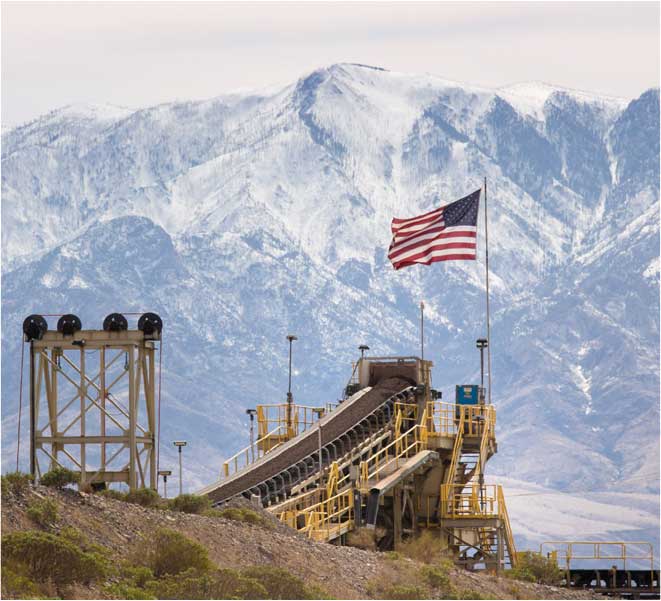
Location: Safford, Arizona
Origins: While there was some small-scale copper mining at Safford around 1900, the area largely was abandoned as not economically feasible by 1939. Renewed interest in the area driven by advances in solvent extraction-electrowinning technology led to additional exploration which revealed large underground copper deposits. Phelps Dodge Corp. acquired the site as part of a land exchange with the federal government completed in 2005. Production began in late 2007.
Did you know? When it opened, Safford became the first new large copper mine in Arizona in over 30 years.
Employees: 1,554
Looking ahead: “Safford has the exciting distinction and challenge of operating at tankhouse max production. Maintenance and reliability at even higher discipline is required and embraced. This, and the wonderful opportunity for future growth, keep us all focused on challenging status quo.” – Vicki Seppala, General Manager-Safford
Sierrita
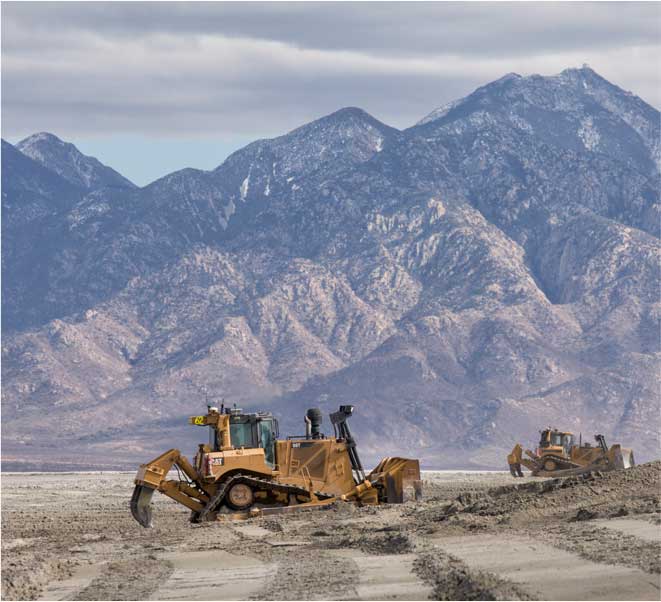
Location: Green Valley, Arizona
Origins: There were already established mineral districts in the area of Sierrita by the time significant copper deposits were found there in 1895. Little activity occurred until 1907 when small-scale underground mining began. That continued until the conversion to an open pit beginning in 1957.
Did you know? In addition to copper and molybdenum, the mine produces rhenium, a rare and highly valued metal.
Employees: 1,293
Looking ahead: “As we look to the future, Sierrita is uniquely positioned to take advantage of growing demand for copper, molybdenum and rhenium. We will leverage our amazing people, combined with technologies, to ensure we deliver these metals to market safely and responsibly at the lowest possible cost.” – Grant Egginton, General Manager, Sierrita
Tyrone
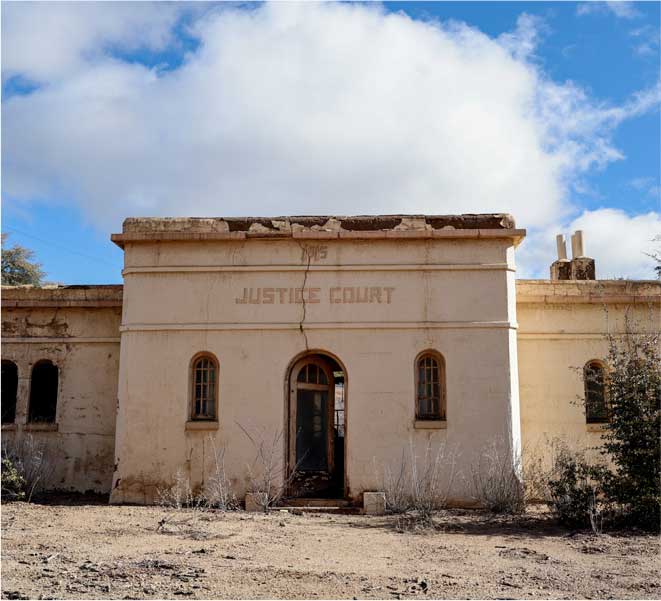
Location: Grant County, New Mexico
Origins: While copper mining in the area dates to the early 1800s, Tyrone is a relatively new mine, created when Phelps Dodge Corp. consolidated scattered mining claims in 1909 and began concentrating ore produced from large-scale mining in 1916. Operations were suspended in 1921 and resumed as an open pit in 1967.
Gone but not forgotten…
In addition to active sites, Freeport has many historically significant properties that no longer are in operation. Among the most notable:
Ajo
Location: Ajo, Arizona
Origins: Ajo’s New Cornelia mine was the first organized mining venture in Arizona after the United States acquired the region from Mexico in an 1854 treaty. Investors from California formed the Arizona Copper Mining and Trading Company to develop the mine in 1854. At the time, the boundary between Arizona and Mexico was still in dispute, and in 1855, Mexico sent troops to displace the miners, who repelled the invasion. Once the boundary dispute was resolved with Ajo safely inside the U.S. borders, large-scale copper mining commenced.
The Ajo mine struggled through much of its life, with low ore grades, a lack of water and inadequate transportation infrastructure. Breakthroughs in leaching in 1912 resurrected the mine, and it was successful through World War I. Open-pit mining started in 1917. Phelps Dodge acquired the mine in 1931 and operated it until the pit closed in 1985.
Did you know? Ajo was the first open pit mine in Arizona.
Did you know? Phelps Dodge bought the Burro Mountain Copper Co. operating in Tyrone from Nathan Leopold Sr., a wealthy Chicago businessman whose son Nathan Jr. was convicted in the infamous Leopold and Loeb thrill murder in 1924.
Employees: 218
Looking ahead: “With its historic stockpiles of once unrecoverable copper, Tyrone has been — and will continue to be — a proving ground for Leach to the Last Drop initiatives.” – Randy Ellison, General Manager-New Mexico Operations
Bisbee
Location: Bisbee, Arizona
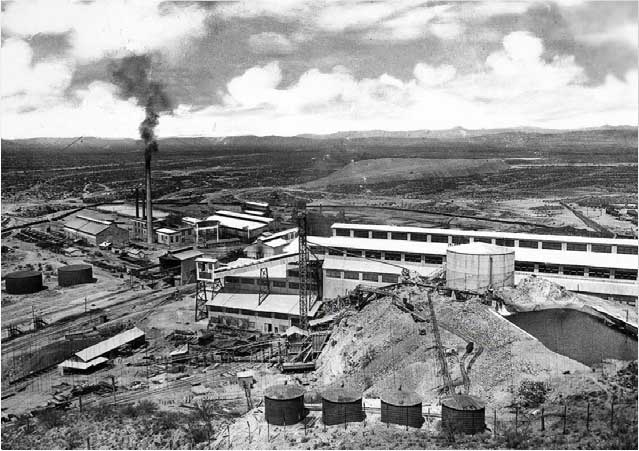
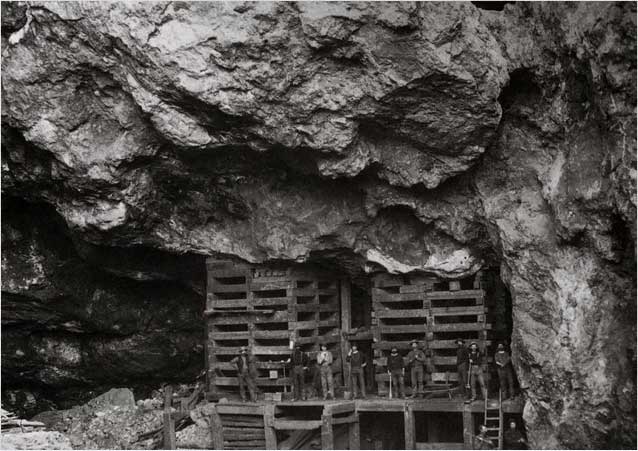
Origins: Army scouts in the isolated Mule Mountains near the Mexican border in 1877 discovered promising mineral deposits that later would become the Copper Queen Mine in Bisbee.
By the early 1880s, mining investors were flocking to the Bisbee district and buying up claims. Among them was Phelps Dodge Corp., which had gotten involved in mining with an earlier investment in the Morenci district. Encouraged by its chief engineer, James Douglas, the company bought the Atlanta Mine claim in 1881 for $40,000. The Atlanta and adjacent Copper Queen mines merged in 1885 after owners discovered they were working the same ore body. The resulting Copper Queen Consolidated Mining Co. became the second largest copper producer in the United States through the turn of the century.
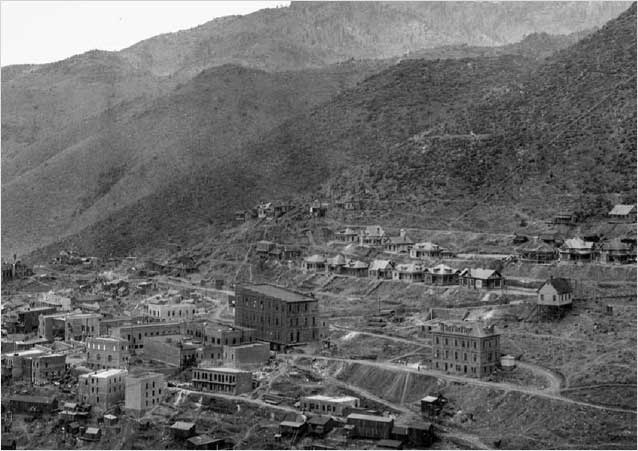
In 1910, the Bisbee district had a population of about 25,000 people, making it for a time the largest community in the Arizona territory.
In addition to underground mining, Phelps Dodge began excavating the Sacramento Pit in 1917 and worked it until 1929. The Lavender Pit opened in 1950 and was mined until 1974. Within a year, all mining in Bisbee ceased.
Did you know? George Warren, a prospector and one of the original owners of the Copper Queen Mine, was a notorious drinker and gambler. Sometime in 1879 he reportedly lost his ownership interest in a bet on a race between a man and a horse. Warren, who died broke, is the miner depicted on the Arizona State Seal.
Jerome
Location: Jerome, Arizona
Origins: Spanish explorers discovered silver in 1583 in the area that later would become Jerome, making it one of the earliest mining discoveries in North America by Europeans. In the post-Civil War era, it was the site of a Yavapai and Apache reservation, which was abolished in 1875, opening the region to prospecting. The first mining claims were staked on Cleopatra Hill by a local rancher about a year later, and they eventually grew into the United Verde Mine in Jerome.
William Clark, a wealthy investor from Montana, purchased the United Verde Mine in 1888, and under his ownership, it became one of the most profitable in the country.
In 1899, Jerome was the fourth largest town in Arizona. Fires in the underground tunnels frequently occurred, and open-pit mining began in 1918.
After Clark’s death, Phelps Dodge acquired United Verde from his heirs in 1935.
The mine was closed in 1953, and Jerome dwindled into a ghost town until it was resurrected as an arts and tourism destination beginning in the 1960s.
Did you know? Jerome is named after Eugene Jerome, a New York mining financier and original investor in the United Verde Copper Co., and a cousin to Winston Churchill’s mother, Jennie Jerome.